Barbie Movie Franchise, 2023
Lead Art Director and Designer: Ingrid Pettersson
Lead Art Director and Sr Manager, Social: Zlatan Kusnoor
Lead Account and Project Manager: Jenny Content, Taylor Schatan
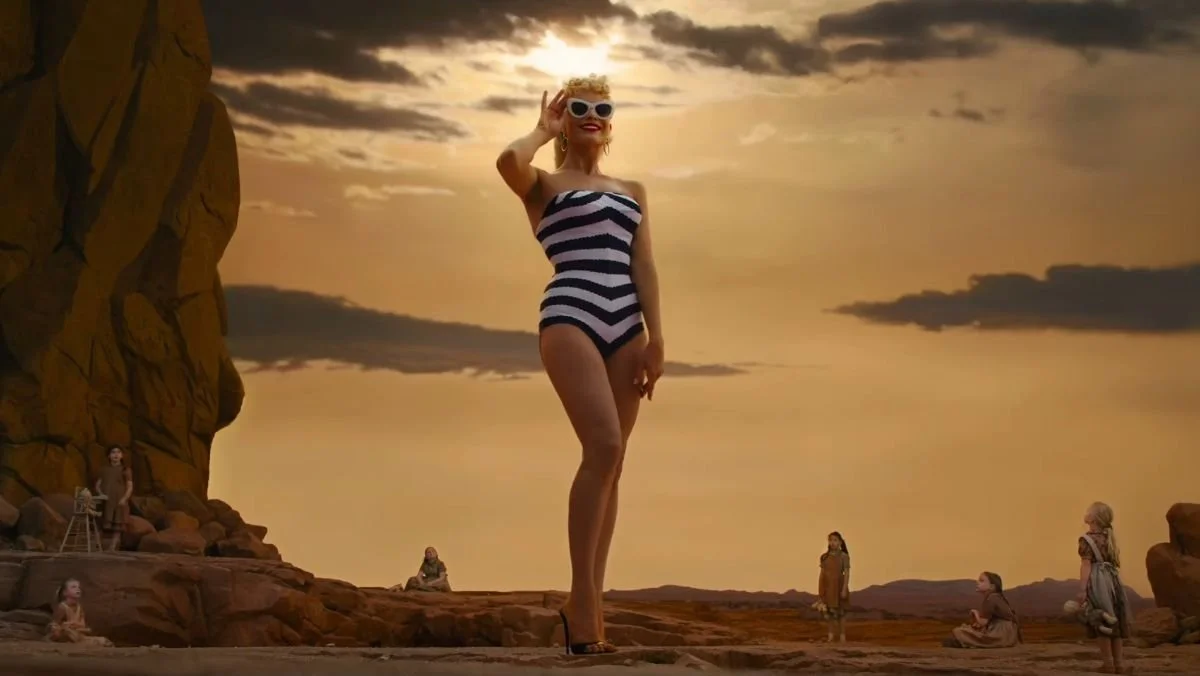
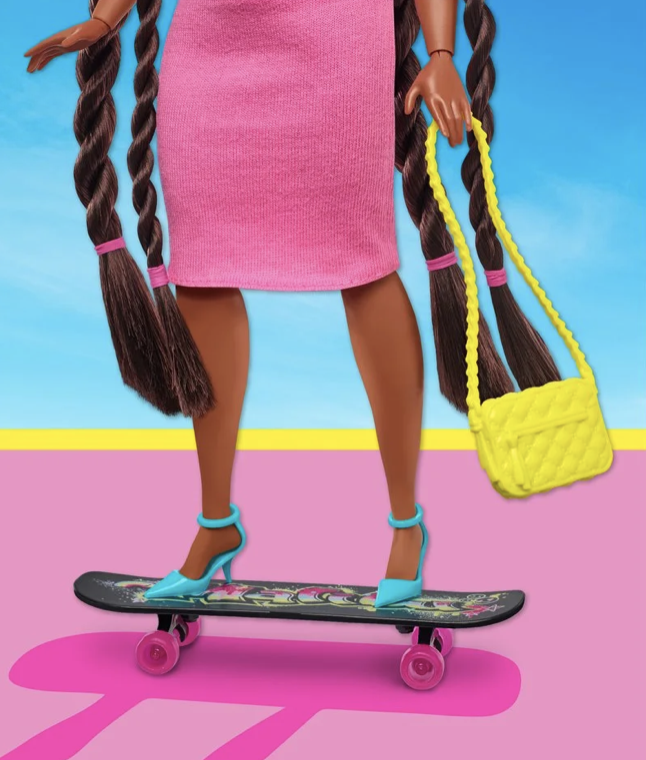
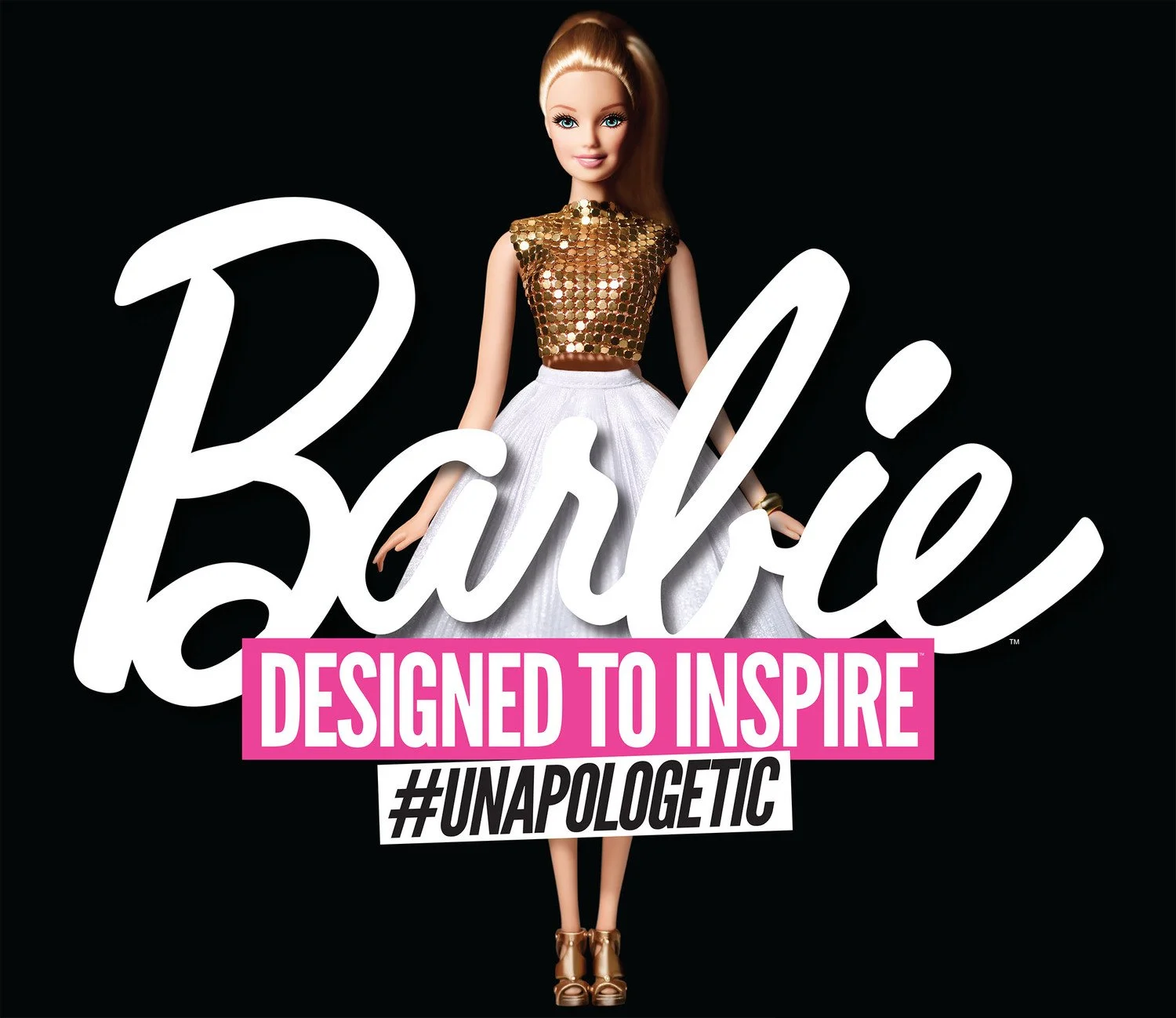
As Creative Director, I had the privilege of guiding and collaborating with extraordinary talent across Mattel and Warner Bros. on the global launch of Barbie: The Movie—a once-in-a-generation cultural moment that required clarity, alignment, and care across an unprecedented scale.
With Barbie’s 65-year legacy and near-universal brand recognition, the challenge was not visibility, but meaning. Our objective was to reconnect generations—inviting back those who felt they had outgrown Barbie while introducing new audiences to her world—through a cohesive narrative that honored the brand’s history while embracing contemporary culture.
Over eight months, I helped steward a multidisciplinary, global effort spanning product, retail, experiential, content, and partnerships. Teams worked across time zones and organizations to ensure creative consistency, premium execution, and a unified vision—whether building immersive fan experiences, activating retail environments worldwide, or translating the brand’s voice across digital platforms.
This work was as much about leadership and trust as it was about creative execution. Clear frameworks and shared values enabled teams to move quickly, stay aligned, and make thoughtful decisions amid complexity. The result was a cultural moment that felt both expansive and intentional—one that invited audiences to participate, express themselves, and see Barbie through a renewed lens.
Barbie: The Movie ultimately became the highest-grossing film in Warner Bros. history, surpassing $1.4B at the global box office and sparking a level of cultural engagement rarely seen at this scale. More importantly, it reaffirmed Barbie’s relevance across generations and demonstrated the power of long-term brand stewardship rooted in connection, clarity, and collaboration.
Barbie History + Movie Storytelling
Archivist: Eliana Ruiz
Barbie Doll Historian: Bill Greening
I partnered with the Archive Team and Barbie’s Product Design Historian to reimagine the brand’s historical narrative—shifting it from a lens of perfectionism and materialism to one centered on careers, achievements, and cultural influence across decades.
The result was a comprehensive, decade-by-decade presentation used both internally and externally, including with brand partners such as Margot Robbie and the Warner Bros. team. This work directly informed the storytelling, script, and visual language of Barbie: The Movie—from the opening lineup of career dolls to the rare, authentic, and humor-infused characters featured throughout the film and closing credits.
For a 65-year-old brand, this historical storytelling continues to guide creative direction—shaping anniversaries, live events, museum exhibitions, timelines, and product development. The research and narrative framework has since expanded to include The History of Ken and The History of the DreamHouse, reinforcing Barbie’s legacy and continued relevance within the cultural zeitgeist.
Verizon Presents the Barbie StreamHouse, 2024
Lead Art Directors: Rachel Ritter, Ingrid Pettersson
Lead Account and Project Manager: Mandy Hughes
Agency Partners: Verizon, Ogilvy, Method
Following Barbie’s 2023 debut as one of several celebrity spokespeople for Walmart, the next evolution marked a significant milestone: in 2024, Barbie became the sole spokesperson and on-screen talent for Verizon’s holiday campaign—a first in the brand’s history.
This partnership reflected years of intentional brand stewardship, positioning Barbie not only as an iconic doll, but as a credible cultural voice and tastemaker. That foundation enabled brands like Verizon to see Barbie as a meaningful partner rather than a novelty—an approach that built on earlier collaborations, including a surprise Super Bowl appearance featuring Beyoncé as “Bar-Bey.”
For the Barbie x Verizon StreamHouse campaign, the creative challenge was to make an invisible technology—Whole-Home Wi-Fi—feel tangible and human. By placing Barbie and her world into everyday DreamHouse moments—gaming, streaming, podcasting, meditating—we helped translate a complex service into something relatable, warm, and imaginative.
Working in close partnership with Verizon and Ogilvy, I helped guide the concept, humor, voiceover, visual language, and production approach to ensure creative alignment and brand authenticity. With just eight weeks from brief to launch, I led internal teams of animators, puppeteers, set designers, stylists, writers, and producers—creating the conditions for teams to move quickly while maintaining clarity, trust, and creative quality.
The campaign extended beyond screen into the physical world with a three-story, life-sized Barbie StreamHouse pop-up in SoHo. Designed as an immersive, welcoming experience, guests were invited to “Live Like Barbie”—from streaming and gaming in Verizon-powered rooms to baking cookies in Barbie’s kitchen and engaging with playful, participatory moments throughout the space.
The environment was carefully curated to reflect Barbie’s history and brand DNA, incorporating vintage DreamHouse imagery, archival photography, and a technology timeline that bridged past and present. Every detail—from interiors to styling to photo moments—was designed to feel aspirational, authentic, and grounded in the brand’s legacy.
The work culminated with Barbie’s debut on The Sphere in Las Vegas, where the StreamHouse film was reimagined at monumental scale. Throughout the project, the focus remained consistent: align partners, support teams, and translate complexity into a shared, human experience—one that felt joyful, coherent, and true to both brands
Barbie Project DAWN Launch, 2016
VP, Global Marketing Communications, Barbie:: Kristina Duncan
Group Creative Director: Erica D. Green
Sr. Art Director: Yen Nguyen
The expansion of the Barbie Fashionistas® line marked one of the most consequential transformations in the brand’s history. Introduced under the internal code name Project DAWN, the initiative represented a deliberate shift toward realism, representation, and cultural responsibility—redefining what Barbie could mean for a new generation.
Building on earlier steps to broaden skin tones and hair textures, the 2016 Fashionistas® line introduced new body types—tall, curvy, and petite—alongside expanded facial sculpts and expressions. This work required careful navigation across creative, design, leadership, and cultural considerations, balancing a 50-year legacy with evolving expectations around identity, inclusion, and self-image.
Rather than responding defensively to criticism, the work was grounded in listening—internally and externally. The goal was not to abandon Barbie’s history, but to thoughtfully evolve it, creating space for more children to see themselves reflected in the brand. The response was immediate and global, signaling a long-overdue shift in how dolls—and by extension, beauty and possibility—could be represented.
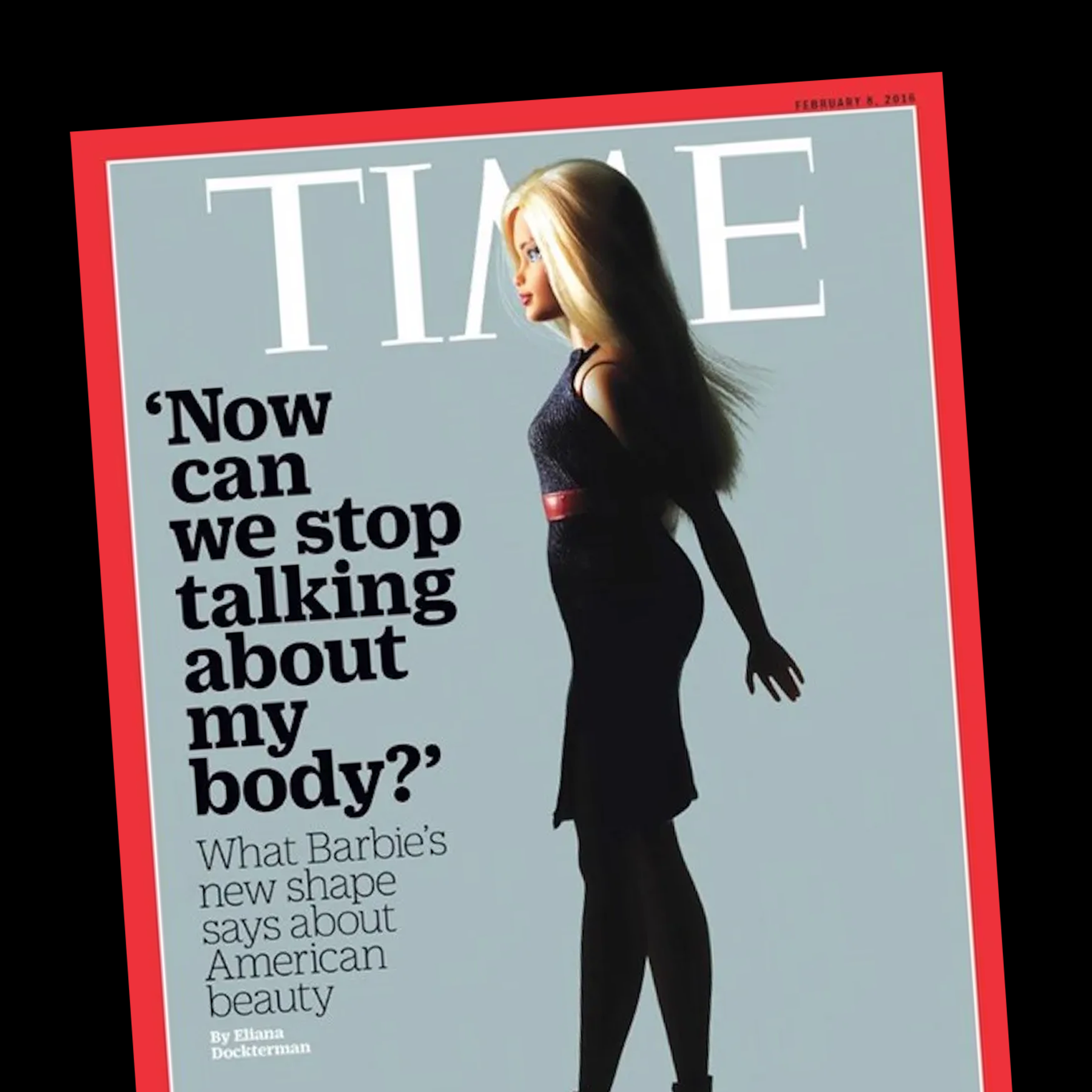
The cultural significance of Project DAWN extended far beyond product. Barbie became the first toy brand ever featured on the cover of TIME magazine, marking a moment of reflection and dialogue around women, identity, and representation. The evolution was later documented in the Hulu original film Tiny Shoulders: Rethinking Barbie, an Emmy Award–winning and Oscar-nominated documentary that offered rare transparency into the creative and cultural reckoning behind the work.
Internally, the Barbie Design Team developed a cohesive global system to support the launch, spanning packaging, retail, digital, and media touchpoints. More importantly, Project DAWN established a long-term framework for how Barbie would continue to evolve—informing future design, storytelling, and brand decisions for years to come.
The Fashionistas® line went on to receive the Toy of the Year Award in the “Doll of the Year” category, but its lasting impact lies in the cultural shift it helped advance: moving Barbie toward greater authenticity, relevance, and connection in a changing world.
Barbie 50th Anniversary, 2009
Creative Director: Kristina Duncan
VP Global Barbie Marketing: Lisa McKnight
GM & SVP, Barbie Brand: Richard Dickson
The Barbie 50th Birthday campaign marked a defining moment in the brand’s history—an opportunity not just to celebrate longevity, but to thoughtfully reflect on Barbie’s cultural impact and continued relevance across generations.
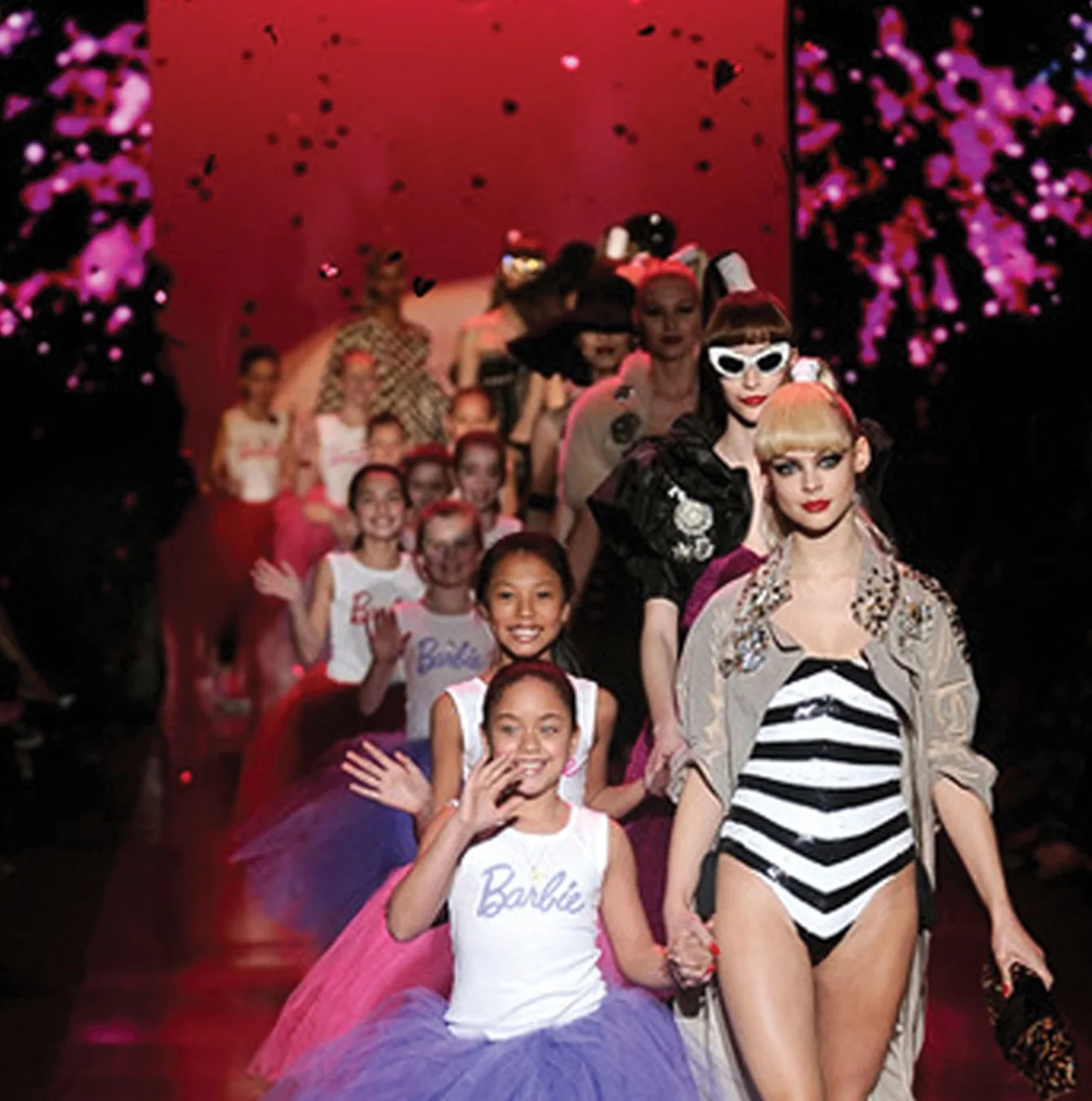
The initiative launched with the Barbie Runway Show at Mercedes-Benz Fashion Week in Bryant Park, produced in partnership with the Council of Fashion Designers of America. For the first time, Barbie entered the fashion world as a muse on the runway, with 50 leading American designers interpreting the brand through their own creative lens. The event brought together more than 1,500 guests and positioned Barbie within a broader cultural conversation around fashion, identity, and self-expression.
From there, the celebration expanded into the city itself. A flagship installation at Bloomingdale’s became the largest Barbie doll exhibition ever presented in the United States, accompanied by twelve feature window displays along Fifth Avenue. Together, these moments transformed New York into a living tribute—inviting the public to engage with Barbie’s legacy in an open, accessible way.
The work extended globally through coordinated retail experiences, fashion collaborations, and event activations, all guided by a shared creative framework. Across markets and partners, the focus remained consistent: honor Barbie’s past while allowing space for reinterpretation and discovery.
Managing an initiative of this scale required clear vision, trusted partnerships, and careful alignment across creative, production, fashion, and retail teams. More than a celebration, the 50th Anniversary became a moment of reflection—affirming Barbie’s role not only as a cultural icon, but as an enduring platform for imagination and expression.
Partners:
CFDA (Council of Fashion Designers of America), Mercedes-Benz, MAO PR, HL Group, Bloomingdale’s, La Rinascente, Bec Stupak, Mr. Wilson DJ, Rootstein
Ken 50th Anniversary, 2011
Creative Director: Kristina Duncan
VP Global Barbie Marketing: Lisa McKnight
GM & SVP, Barbie Brand: Richard Dickson
Sr Art Director: Diane Kondo
The Ken campaign was designed as a three-phase narrative—blending nostalgia, pop culture, and fan participation to reintroduce Barbie’s iconic counterpart with humor, intention, and emotional resonance.
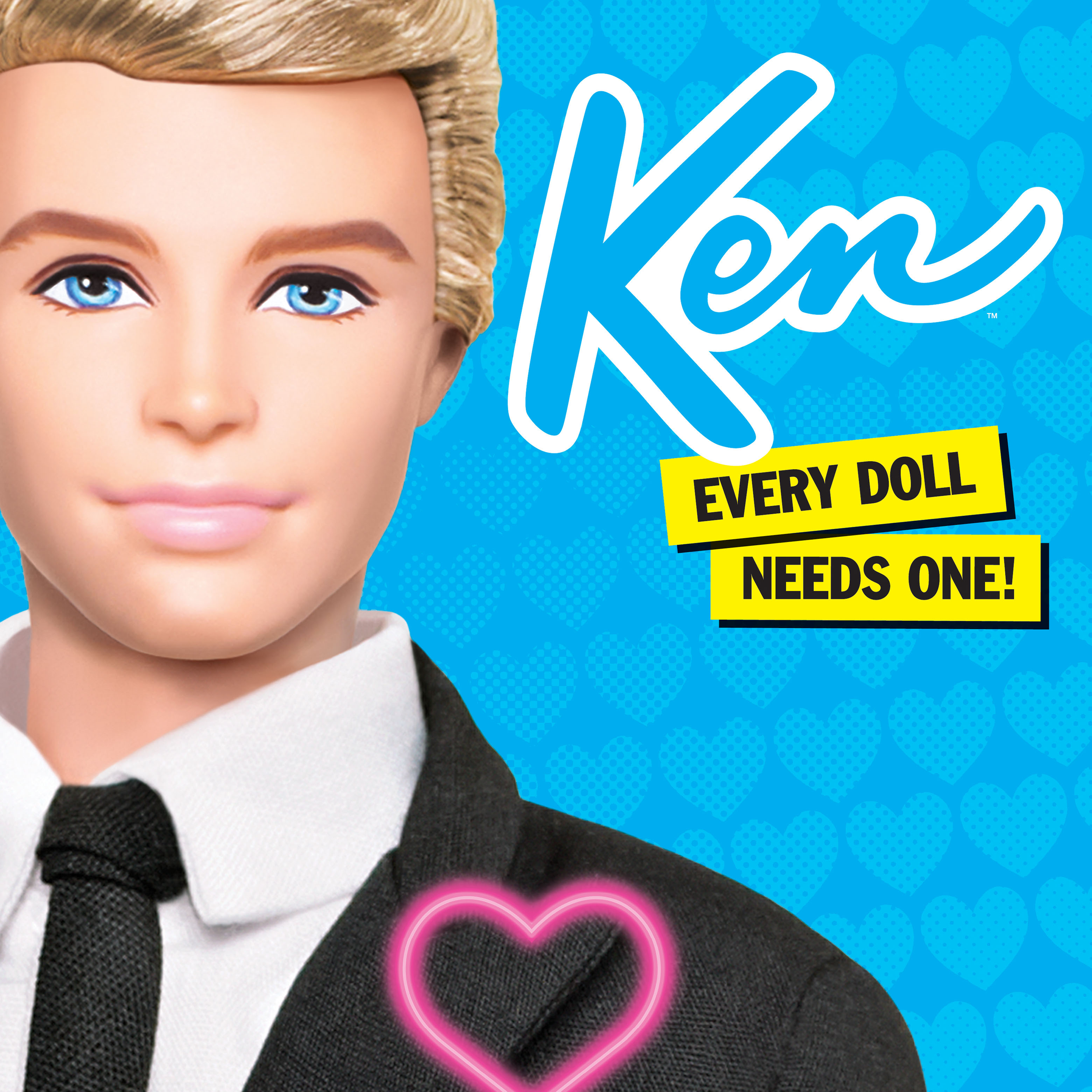
The story launched during Fashion’s Night Out, where Ken debuted as “The Ultimate Dreamdate.” The moment introduced a live-model mobile truck experience alongside the brand’s first web-reality series, Genuine Ken: The Search for the Great American Boyfriend. Rather than positioning Ken as a static character, the work invited audiences into an unfolding story—one rooted in charm, self-awareness, and cultural play.
The second phase advanced the narrative by placing the outcome in fans’ hands. Billboards and US Weekly ads invited audiences to vote on whether Barbie should take Ken back, with an online interface allowing fans to participate in real time. This interactive approach transformed the campaign into a shared experience, deepening emotional investment while keeping the tone light and self-referential.
The story concluded on Valentine’s Day, when Barbie announced their reunion—“She Said Yes!”—through sweetheart pop-ups in Times Square and The Grove. The moment was commemorated with a limited-edition Barbie & Ken gift set, offering fans a tangible close to the story they had helped shape.
Across all phases, the work relied on clear narrative structure, strong creative alignment, and trusted partnerships to maintain cohesion while allowing for spontaneity and delight. More than a campaign, it became a living storyline—demonstrating how humor, participation, and cultural awareness can bring a legacy character back into conversation in a way that feels inclusive, joyful, and human.
Partners:
CFDA (Council of Fashion Designers of America), Christie’s Auction House, Vogue, Fashion’s Night Out, Times Square, NASDAQ, MKTG, Magnolia Cupcakes, US Weekly, Hudson Media, Attention, HL Group, Paul Sevigny
Rocket Mortgage Super Bowl Spot, 2022
Agency: Highdive, Rocket Mortgage In-House
Director: Ole Sanders
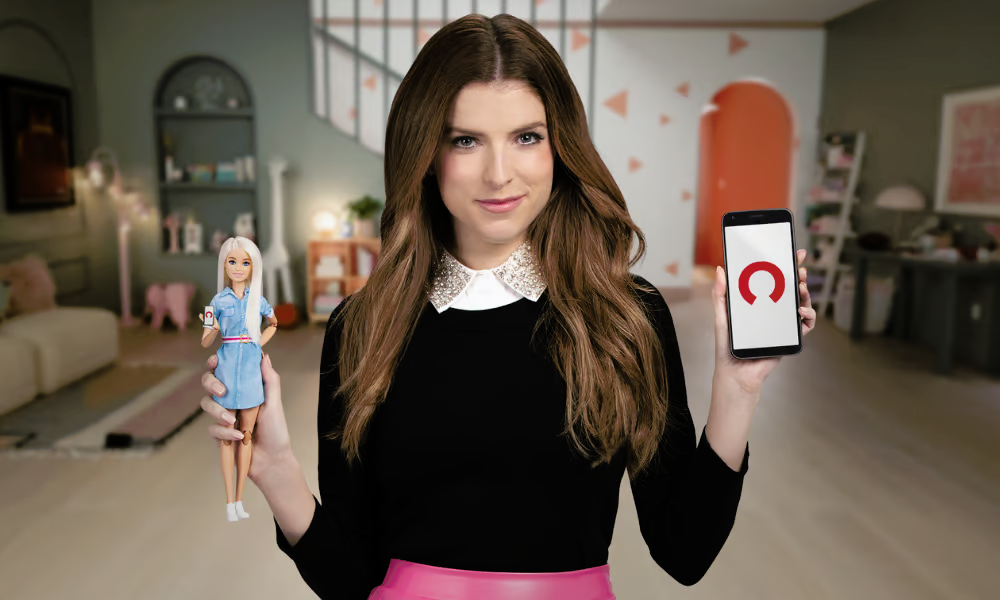
In a highly competitive housing market, the idea of buying a dream home had become increasingly out of reach for many. The Barbie Dreamhouse Super Bowl LVI campaign set out to meet that reality with empathy and humor—using Barbie’s iconic world to reflect the tension between aspiration and modern home-buying challenges.
The film reimagined Barbie’s familiar pink fantasy against a backdrop of real-world obstacles, from bidding wars to cash-flush speculators. Starring Anna Kendrick alongside Barbie and friends, the spot followed Barbie’s pursuit of her Malibu Dreamhouse—with Rocket Homes and Rocket Mortgage positioned as trusted partners helping turn aspiration into possibility.
Airing during Super Bowl LVI, the commercial resonated because it balanced levity with cultural truth. By grounding the story in shared frustration and optimism, the work invited audiences to see themselves in the narrative—using humor not as escapism, but as a way to acknowledge real tension while offering reassurance.
To support the broadcast moment, a series of teaser videos and social-first extensions rolled out across Twitter, TikTok, Facebook, Instagram, and YouTube. Each execution was designed to feel cohesive and intentional, extending the story through Barbie’s visual language and tone while maintaining clarity and consistency across platforms.
The campaign also extended into the physical world through a large-scale out-of-home installation in downtown Detroit. A 98-by-137-foot billboard illuminated the Cadillac Building overlooking Campus Martius, anchoring the moment in Rocket Mortgage’s hometown and reinforcing the campaign’s presence long after game day.
The work was widely recognized for its cultural relevance and creative clarity, earning the top spot on USA Today’s Ad Meter and strong praise across industry and academic rankings. More importantly, it demonstrated the power of using a trusted cultural icon to tell a story that felt timely, human, and grounded—bridging fantasy and reality in a way audiences could relate to.
Launch of Victoria's Secret PINK, 2002
Creative Director: Chris Tinnesz
I was part of the core creative team that helped develop and launch PINK, a new sub-brand created to meet a clear cultural and emotional gap: connecting with a younger generation of women on their own terms. The goal was both strategic and human—build affinity earlier in a customer’s life while creating a brand that felt relatable, confident, and genuinely reflective of how young women saw themselves.
Our creative approach focused on understanding the lived experience of the audience. We explored a wide range of visual and tonal directions—testing softness, boldness, playfulness, and graphic expression—before identifying the college and pre-college demographic as the space with the greatest opportunity for connection and growth. That insight guided every creative decision, from the logo and graphic system to color, messaging, and in-store experience.
The resulting brand language balanced accessibility with confidence, offering an alternative to traditional notions of sex appeal in the category. PINK positioned comfort, personality, and self-expression at the center—creating a line that felt aspirational without feeling exclusive, and playful without losing credibility.
When PINK launched in 2004, it resonated immediately. Over time, it grew into a standalone lifestyle brand—expanding across product categories, retail environments, and cultural touchpoints—while also serving as an entry point into the broader Victoria’s Secret ecosystem. By 2010, the brand surpassed $1B in annual sales and became a key driver of long-term growth and relevance.
Beyond its commercial success, PINK reshaped how Victoria’s Secret engaged with younger audiences, offering a new model for brand evolution rooted in empathy, cultural awareness, and respect for identity. Early partnerships with professional sports leagues and collegiate licensing organizations—including HBCUs—further embedded the brand within campus culture and everyday life.
What began as a strategic exploration evolved into a lasting platform—demonstrating how an iconic brand can grow by listening closely, meeting people where they are, and creating space for confidence and individuality to emerge.
Barbie You Can Be Anything Campaign, 2015
GM & SVP, Barbie Brand: Richard Dickson
GlobalCreative Director: Kristina Duncan
Sr Art Directors: Ingrid Pettersson, Diane Kondo
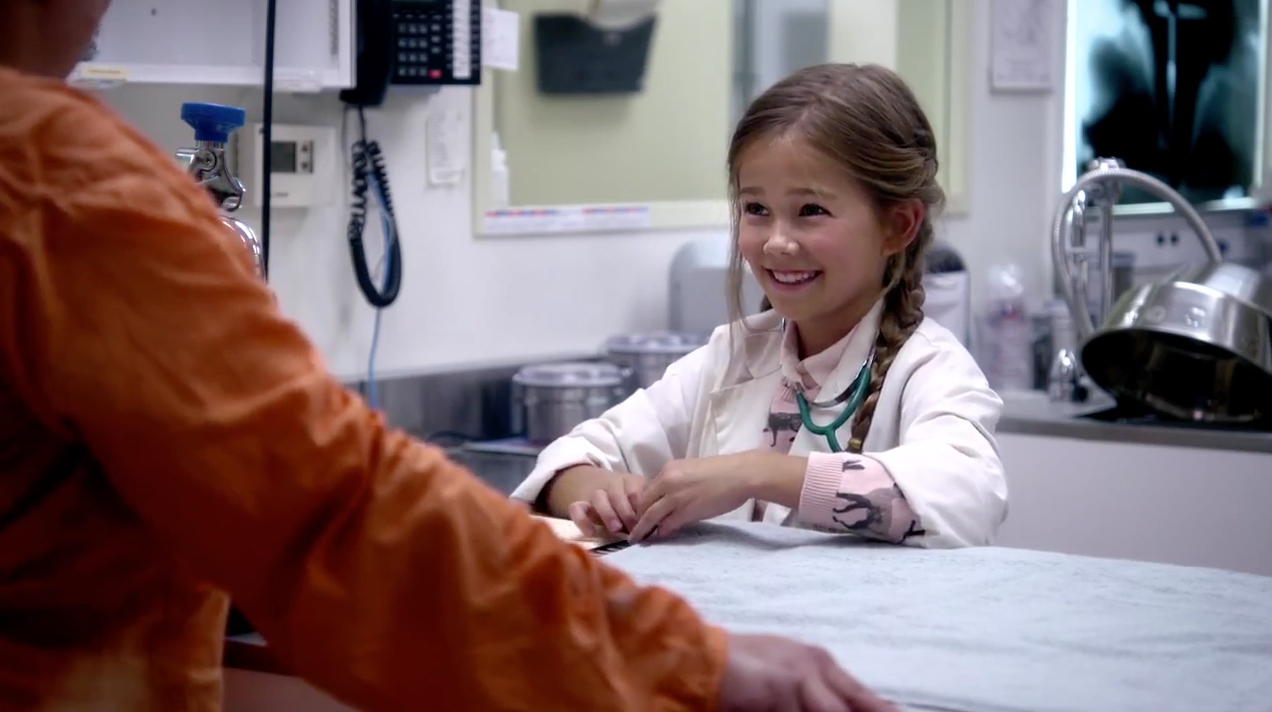
Launched in 2015, You Can Be Anything marked a pivotal shift in how Barbie was understood—moving the focus from appearance to possibility. The initiative was grounded in a simple but powerful idea: imaginative play and storytelling shape how children see themselves and what they believe is possible.
The campaign debuted with the brand film Imagine the Possibilities, created in partnership with BBDO San Francisco. Rather than relying on aspiration or fantasy alone, the film reflected real moments of imagination and confidence—showing how children internalize possibility long before they articulate it. The piece resonated deeply, becoming part of the cultural conversation and signaling a meaningful change in how the brand showed up in the world.
Internally, the Barbie Design Team developed a cohesive visual and narrative system aligned with the brand’s renewed purpose: to inspire the limitless potential in every girl. This framework guided a multi-year, global rollout spanning digital, e-commerce, gaming, apps, merchandising, outdoor, print, and live experiences—ensuring consistency while allowing the message to adapt across cultures and contexts.
More than a single campaign, You Can Be Anything became a long-term platform for brand evolution. It helped reestablish trust with parents, educators, and partners, and served as a foundation for future storytelling—demonstrating how purpose-driven leadership and narrative clarity can reshape perception over time.
The work was recognized for both its emotional resonance and strategic rigor, earning top honors at the APG Creative Strategy Awards and wide acclaim for its cultural impact. Its lasting significance, however, lies in how it reframed Barbie’s role—from a symbol of how to look, to a platform for imagining who you can become.
Barbie Give Limitless Possibilities, 2024
Lead Account and Project Manager: Liz Maglione and Taylor Schatan
Agency Partners: 72&Sunny
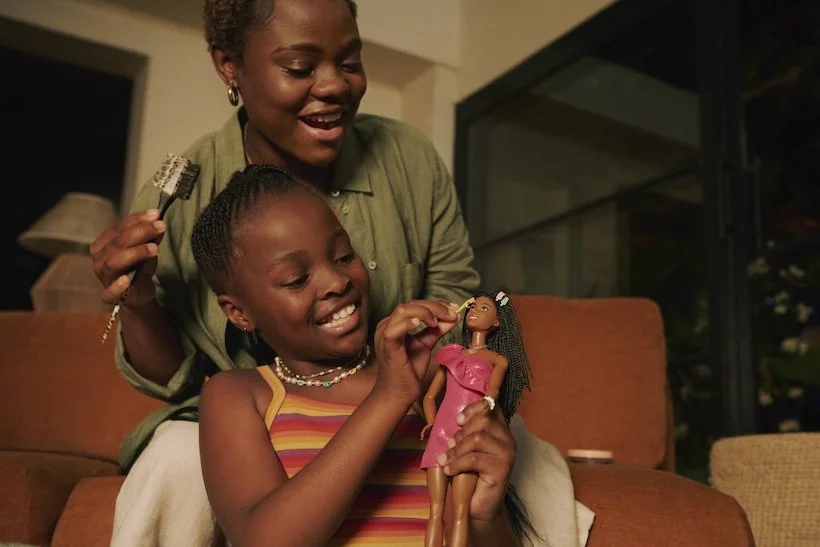
The Give Limitless Possibilities campaign was designed to reframe what it means to give a Barbie—shifting the narrative from gifting a doll to offering something deeper: imagination, confidence, and possibility.
At the heart of the work was a desire to reflect how play actually shows up in family life. The launch film drew inspiration from parents’ camera rolls, capturing authentic, everyday moments of discovery and self-expression. Through a diverse cast of children, the story centered on the qualities parents hope to nurture—curiosity, courage, empathy, and creativity—positioning Barbie not as a product, but as an invitation to imagine who you can become.
To extend the story beyond screen, the campaign debuted at the WNBA’s first-ever Barbie Game Night at Chicago’s Wintrust Arena, during a highly anticipated matchup between the Chicago Sky and the Indiana Fever. The pink-lit exterior of the arena became a visible signal of celebration, welcoming fans dressed in Barbiecore style and honoring women’s impact across sport and culture.
Inside, the experience was designed to feel communal and inclusive—bringing families together through giveaways, participatory activations, and 10,000 pink rally towels filling the stands. At halftime, WNBA legend Sue Bird introduced the film for an exclusive first viewing, grounding the moment in shared values of confidence, representation, and possibility.
The evening marked a meaningful cultural moment—one that brought together sport, community, and imagination—and reflected Barbie’s continued evolution into spaces where empowerment, visibility, and belonging matter most.
Barbie Exhibits, 2004
Lead Art Director: Ingrid Pettersson
Account Management: Mandy Hughes
The Design Museum, London
Barbie, The Exhibition
Museum of Arts and Design, New York City
Barbie: A Cultural Icon
Pop-Up, Los Angeles
World of Barbie Experience
Barbie Core Branding, 2024
Lead Art Directors: Erin Foote, Rachel Ritter, Shelby Alexander
Sr Art Directors: Andrea West, Diane Kondo, Melinda Puentes
Lead Account and Project Manager: Jennifer Content, Mandy Hughes, Kaitlin Flagg
Doll Photographer: Jason Tidwell
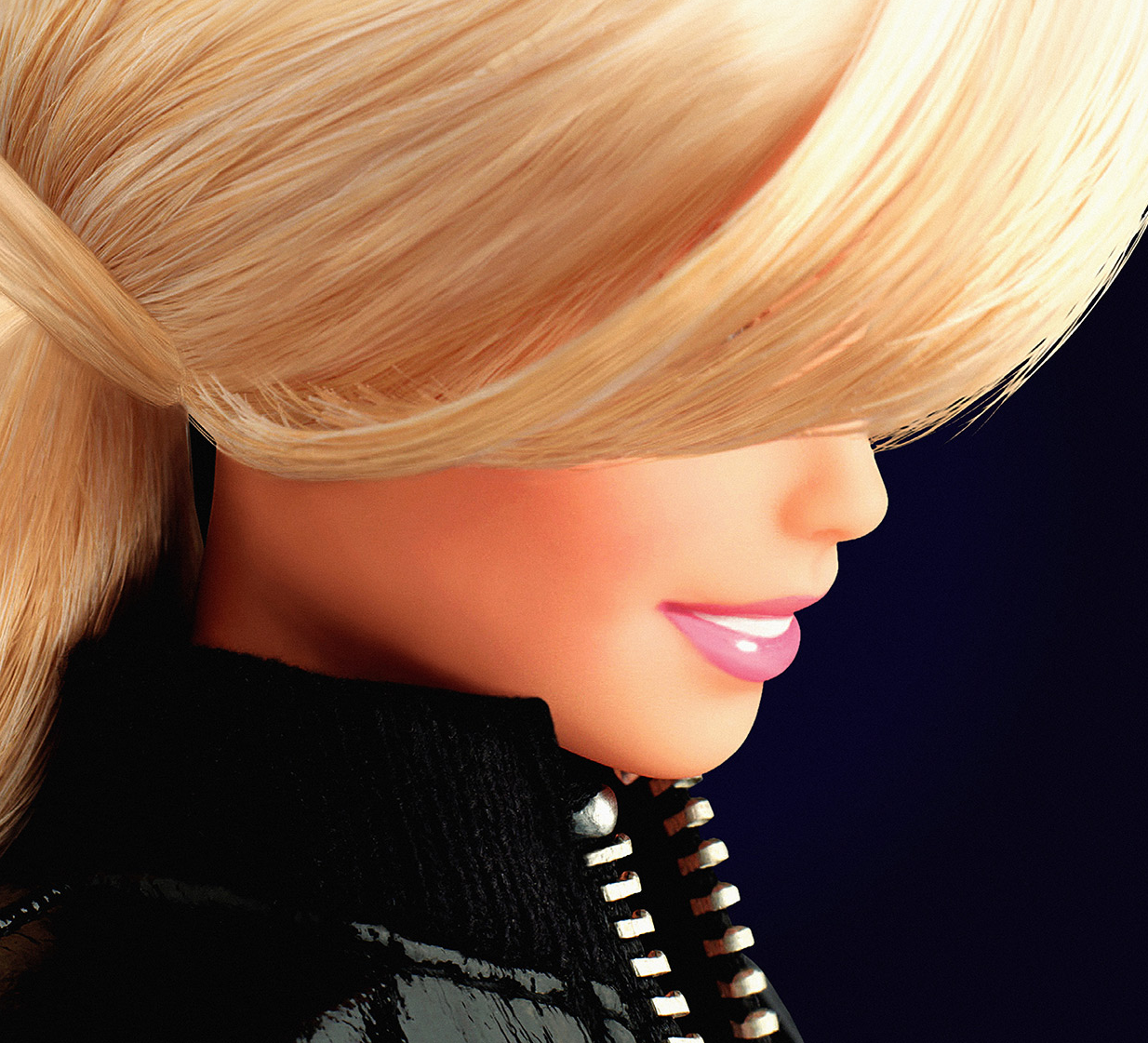
In 2009, the global Barbie 50th Birthday celebration became an important moment of alignment for the brand. Rooted in nostalgia and fashion, the work brought teams together around a shared visual and cultural language—refreshing the original 1959 logo, revisiting Barbie’s debut black-and-white swimsuit, and unifying markets worldwide through a single, signature pink (Pantone 219) and one iconic Barbie image.
That milestone served as a stabilizing foundation during a period of transition. In the years that followed, the brand began to articulate a deeper purpose—launching You Can Be Anything, introducing the Dream Gap Project, and evolving into the world’s most inclusive and diverse doll line. Each step required careful coordination across creative, design, product, and leadership teams to ensure the brand could grow without losing coherence.
After more than a decade of shifting perceptions—and following the cultural and commercial success of Barbie: The Movie—the organization was ready for another moment of renewal. We re-energized the core brand look to reflect a more contemporary sensibility, embracing optimism, humor, and play through bold, graphic expression.
At the center of this work was alignment. Our team helped define the mission, creative guardrails, and visual direction for the entire Barbie organization—spanning packaging, consumer products, digital platforms, and global retail. The outcome was a comprehensive global brand guide that empowered teams across regions to create fresh, cohesive storytelling while remaining grounded in shared values.
More than a visual refresh, this work reinforced how Barbie shows up in the world—providing clarity, continuity, and creative confidence across markets, teams, and generations.
Barbie 60th Anniversary, 2019
Group Creative Director: Erica D. Green
Exec Producer: Lorraine Kraus
Sr Art Directors: Yen Nguyen, Erin Foote
Additional Designers: Andrew Wagenhals, Ingrid Pettersson
The year-long global celebration honored Barbie’s 65-year legacy by bringing together nostalgia, fashion, innovation, and culture into a single, cohesive moment. Rather than treating the anniversary as a series of standalone activations, the work was designed to reflect Barbie’s past, present, and future—creating continuity across experiences while allowing each to feel locally relevant and emotionally resonant.
In New York City, an immersive Barbie pop-up experience served as both fashion tribute and art installation, inviting visitors to engage with the brand as icon and inspiration. The space balanced reflection and imagination—honoring where Barbie had been while opening space for where she was headed.
To extend the message nationwide, the Be Anything Tour with Walmart brought empowerment and play directly to families across 36 U.S. locations. Launching in Bentonville, Arkansas with GRAMMY-nominated artist Kelsea Ballerini, the tour translated Barbie’s purpose into an accessible, community-centered experience rooted in confidence and creativity.
At the same time, Barbie Presented by Amazon pop-up stores opened in five major U.S. markets, reimagining Barbie’s world through Amazon’s evolving retail model and demonstrating how the brand could flex across platforms while maintaining a consistent voice and sense of wonder.
Globally, the celebration took on a symbolic dimension as landmarks—including the Empire State Building, TOKYO SKYTREE®, Toronto’s CN Tower, and Sydney’s Bondi Beach—were illuminated in pink, creating a shared visual language across cultures and time zones.
The anniversary culminated in a moment of imaginative hospitality, as Barbie became an Airbnb host for the first time, opening her iconic Malibu DreamHouse to fans. More than a novelty, the experience reflected Barbie’s enduring influence—inviting people not just to observe the brand, but to step inside it.
Together, these moments formed a unified global expression of Barbie’s legacy—one grounded in connection, imagination, and a long-held belief in possibility, carried forward with intention and care.
Mattel Corporate, 2006
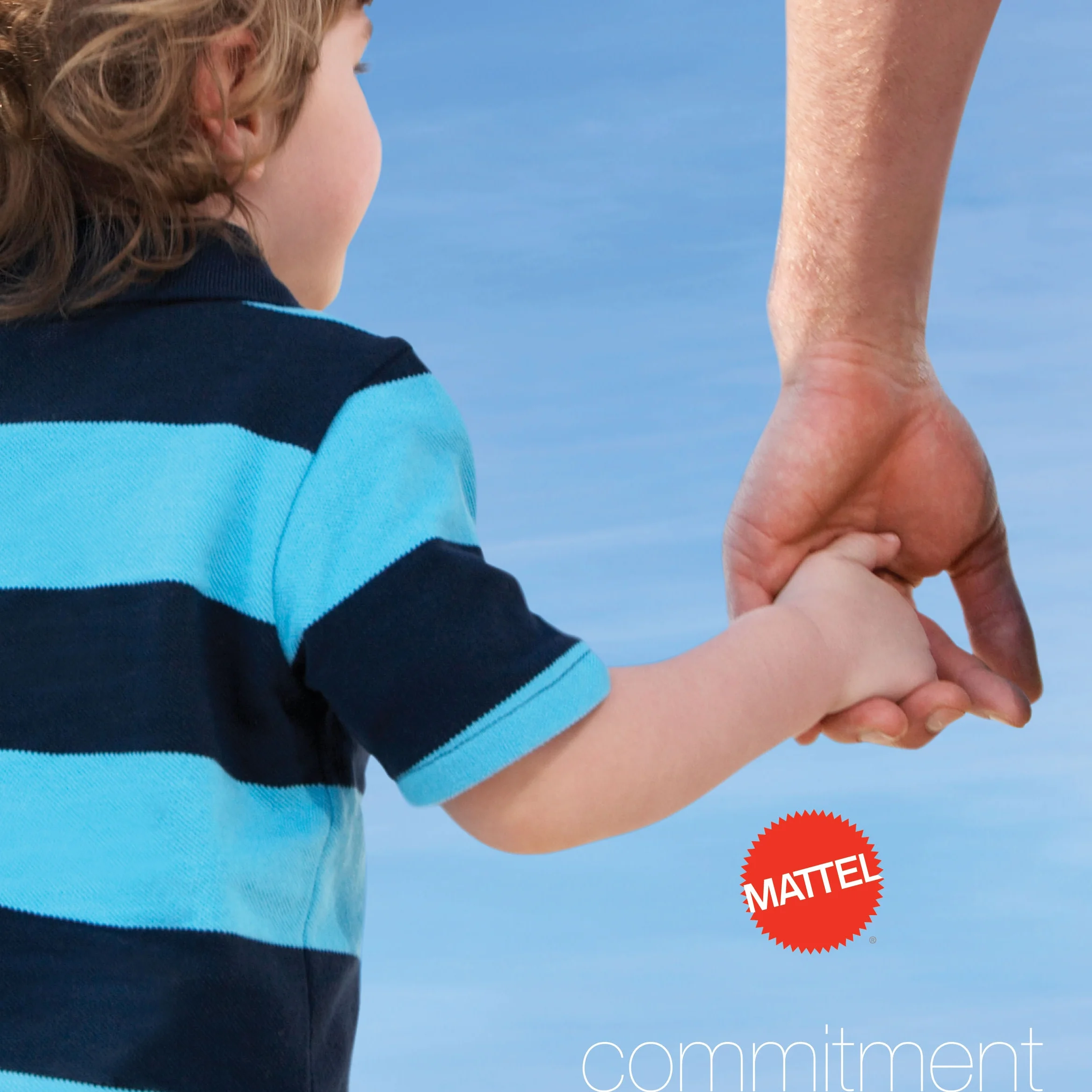
As Lead Contributor, I helped define and establish the visual identity for Mattel Corporate—shaping a creative direction intended to convey optimism, warmth, and approachability at an enterprise level.
The photography focused on children in open, outdoor environments, using light, grass, and sky to evoke a sense of possibility and joy. This visual approach was designed to humanize the corporate brand and reflect Mattel’s purpose-driven mission, while strategic accents of Mattel red provided cohesion and a recognizable throughline across materials.
The resulting visual system became the foundation of Mattel’s corporate identity for more than two years. It was applied consistently across annual reports, the corporate website, global advertising, trade show environments, and internal communications—creating a unified, uplifting expression that aligned employees, partners, and stakeholders around shared values.